Introduction & History
Varanasi, also known as Kashi or Banaras, is one of the oldest living cities in the world and the spiritual capital of India. Located on the banks of the sacred River Ganga in the state of Uttar Pradesh, Varanasi has been a center of learning, culture, and spirituality for over 3,000 years.
According to Hindu mythology, the city was founded by Lord Shiva, and it remains deeply associated with Hinduism, Buddhism, and Jainism. Varanasi is famed for its ghats, temples, sacred rituals, and Ganga Aarti. Pilgrims believe that dying in Varanasi grants moksha (liberation from the cycle of birth and death).
The city also holds importance in literature, music, and arts. Renowned figures like Tulsidas, Kabir, and Pandit Ravi Shankar have been linked to Varanasi. Its bustling lanes, aroma of incense, sound of temple bells, and boat rides on the Ganges make Varanasi a city that is as mystical as it is mesmerizing.
Best Time to VisitThe best time to visit Varanasi is between October and March, when the weather is pleasant for sightseeing and rituals. Festivals like Dev Deepawali, Diwali, Makar Sankranti, and Maha Shivratri make the experience even more magical.


Places to Visit in Varanasi
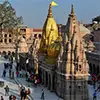
Kashi Vishwanath Temple
The Kashi Vishwanath Temple is one of the most revered shrines in Hinduism and one of the twelve Jyotirlingas dedicated to Lord Shiva. Located on the western bank of the holy Ganges, it is the spiritual heart of Varanasi. Pilgrims from across India and the world come here to offer prayers and seek blessings. The temple’s golden spire, spiritual aura, and proximity to the Ganga enhance its significance. A visit to Varanasi is incomplete without visiting this sacred temple, which embodies the city's timeless connection to Hindu faith, devotion, and liberation.
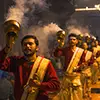
Dashashwamedh Ghat
Dashashwamedh Ghat is the most vibrant and visited ghat on the banks of the Ganges in Varanasi. According to legend, Lord Brahma performed ten Ashwamedh Yajnas here, giving the ghat its name. Every evening, the ghat comes alive with the grand Ganga Aarti, a spiritually uplifting ritual performed by priests with lamps, chants, and music. The atmosphere is electric, attracting devotees, tourists, and photographers alike. Boat rides at sunrise or during the aarti provide a stunning view of the ghats and temples. It’s a place where divinity, tradition, and energy converge beautifully.
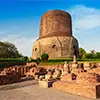
Sarnath
Sarnath, located about 10 km from Varanasi, is a serene and historically significant site where Lord Buddha delivered his first sermon after attaining enlightenment. The Dhamek Stupa marks the exact spot of his teaching, and the area is dotted with Buddhist monasteries, ruins, and the Archaeological Museum. Sarnath attracts pilgrims and tourists from around the world, particularly followers of Buddhism. The peaceful atmosphere, manicured gardens, and spiritual ambiance offer a stark contrast to the bustle of Varanasi. It stands as a symbol of peace, wisdom, and the beginning of the Buddhist Sangha.
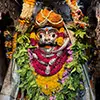
Kal Bhairav Temple
Kal Bhairav Temple is one of the oldest and most sacred temples in Varanasi, dedicated to Lord Kal Bhairav, a fierce form of Lord Shiva. Regarded as the guardian deity of the city, it is believed that no one can stay in Kashi without his permission. The temple exudes a mystic aura, with devotees offering alcohol as prasad—an unusual yet traditional ritual. A visit here is considered essential for spiritual completeness. People come seeking protection, strength, and inner peace, believing that Lord Kal Bhairav watches over the city’s residents and pilgrims alike.
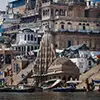
Manikarnika Ghat
Manikarnika Ghat is one of the holiest and oldest cremation grounds in India, located on the banks of the Ganges. It holds immense spiritual significance, as Hindus believe that dying and being cremated here leads to moksha (liberation from the cycle of rebirth). The ghat is active 24/7 with cremation rituals, offering a profound glimpse into the philosophy of life and death. Despite its somber setting, the ghat is peaceful, sacred, and a central part of Varanasi’s spiritual fabric. It reflects the city’s deep-rooted traditions and its role as a passage between life and liberation.
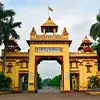
Banaras Hindu University (BHU)
Banaras Hindu University (BHU) is one of Asia’s largest and most prestigious universities, founded in 1916 by Pandit Madan Mohan Malaviya. Spanning a vast and green campus, BHU is not just an academic institution but also a cultural and spiritual center. The Bharat Kala Bhavan Museum within the campus houses a rich collection of Indian paintings, textiles, and artifacts. Visitors often explore the campus for its architecture, serenity, and the famous Vishwanath Temple within. BHU symbolizes Varanasi’s modern intellect blended with its ancient traditions and remains a proud heritage site for scholars and tourists alike.
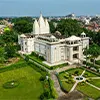
Tulsi Manas Mandir
Tulsi Manas Mandir is a revered temple in Varanasi, constructed in white marble and dedicated to Lord Rama. It holds literary and religious importance, as it stands at the site where Goswami Tulsidas is believed to have composed the Ramcharitmanas, a Hindi version of the Ramayana. The temple walls are adorned with verses and scenes from this epic, making it a cultural as well as spiritual attraction. The calm environment, devotional ambiance, and poetic inscriptions attract pilgrims, scholars, and literary enthusiasts. It celebrates devotion, language, and tradition in a uniquely beautiful way.
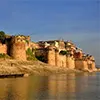
Ramnagar Fort
Ramnagar Fort, situated across the Ganges from Tulsi Ghat, is an 18th-century sandstone structure built by the Kashi Naresh. This historic fort combines Mughal and Indian architecture and houses a museum that displays vintage cars, royal costumes, weapons, and antique clocks. The fort is still the residence of the current Maharaja of Varanasi. It also serves as a backdrop for the grand Ram Lila festival held annually. Visitors are drawn to its royal charm, panoramic river views, and timeless artifacts. Ramnagar Fort is a living reminder of Varanasi’s regal and cultural heritage.
Best Things to Do in Varanasi
One of the most spiritual experiences in India, the Ganga Aarti at Dashashwamedh Ghat is a mesmerizing sight. Each evening, priests dressed in traditional attire perform a synchronized aarti using large brass lamps, conch shells, incense, and chants. Thousands gather to witness this sacred ritual either from the steps or on boats in the river. The atmosphere, lit by oil lamps and filled with devotional music, is both uplifting and unforgettable. Arrive early to get a good spot, especially during festivals.
A boat ride at dawn along the Ganges offers a tranquil yet profound view of Varanasi’s spiritual soul. As the sun rises, you can see devotees performing rituals, priests chanting prayers, and the ghats coming to life. The early morning light, reflections on the river, and the sound of temple bells create a magical atmosphere. It's one of the best ways to experience the city’s unique rhythm, culture, and sacred traditions from the water. Guided boat tours are also available with historical insights.
One of the twelve Jyotirlingas, the Kashi Vishwanath Temple is a must-visit for spiritual seekers. Dedicated to Lord Shiva, the temple is located in the heart of the old city and draws millions of pilgrims every year. Despite its modest size, the temple’s spiritual aura is powerful. Non-Hindus are not allowed inside the main sanctum, but the surrounding area, known as Vishwanath Gali, offers vibrant sights, sounds, and shops. The temple complex has recently been expanded with a beautiful corridor project.
Located just 10 km from Varanasi, Sarnath is where Lord Buddha gave his first sermon after attaining enlightenment. It is one of the four most important Buddhist pilgrimage sites. Visitors can explore ancient ruins, the Dhamek Stupa, the Ashoka Pillar, and the Sarnath Museum housing beautiful sculptures and artifacts. The area is peaceful and spiritually enriching, perfect for those interested in history, meditation, or Buddhist philosophy. Don’t miss the beautifully maintained gardens and the serene atmosphere.
Varanasi’s narrow lanes and bazaars are a treat for shoppers and explorers. The city is famous for its exquisite Banarasi silk sarees, handicrafts, perfumes, brassware, and religious items. Wander through Vishwanath Gali, Thatheri Bazaar, or Chowk to experience the city’s colorful culture. You’ll find everything from street food and sweets to musical instruments and antique shops. Bargaining is common, and shopping here is not just about buying – it’s a cultural experience in itself.
Manikarnika Ghat is one of the holiest cremation grounds for Hindus and offers a deep insight into the cycle of life and death. Seeing the continuous cremation ceremonies, many visitors feel a profound sense of reflection and reverence. While it may be intense, visiting this ghat helps understand the Hindu belief in moksha – liberation from rebirth. Photography is discouraged as a mark of respect. A local guide can offer meaningful context to what you’re witnessing.
Varanasi is a food lover’s paradise with a range of delicious street food options. Try Kachori-Sabzi, Tamatar Chaat, Baati Chokha, and sweets like Malaiyo, Rasgulla, and Banarasi Paan. The street food stalls near Godowlia, Kachori Gali, and Chowk are particularly famous. Cleanliness varies, so opt for busy, popular stalls. The food here is not just about taste – it reflects Varanasi’s rich cultural flavor and culinary heritage.
How to Reach
By Train
Varanasi Junction is well-connected with major Indian cities via daily trains.
By Air
Lal Bahadur Shastri Airport has direct flights from Delhi, Mumbai, Kolkata, and more.
By Road
Varanasi is easily accessible by highways from Lucknow, Prayagraj, Patna, and other cities.
By Bus
Regular government and private buses operate from nearby major towns and cities.
Popular Tour Packages