Introduction & History
Formerly known as Allahabad, Prayagraj is one of India’s most sacred cities, situated at the legendary Triveni Sangam, where the Ganga, Yamuna, and mythical Saraswati rivers converge. Mythology holds that Lord Brahma performed a great yajna here, making the site a pilgrimage capital. Through millennia, sages and saints gathered on these ghats to perform rituals, meditation, and penance.
Blessed with rich historical heritage, Prayagraj features Allahabad Fort, built by Emperor Akbar, which houses the Akshayavat (immortal banyan tree) and Patalpuri Temple. The city also played a pivotal role in India’s freedom movement, nurturing leaders like Jawaharlal Nehru at Anand Bhawan. Every 12 years, the city hosts the Kumbh Mela, the world’s largest religious gathering, where millions congregate for the holy dip.
With its ancient ghats, temples, colonial architecture, and vibrant rituals, Prayagraj embodies India’s spiritual depth, political history, and cultural harmony. It continues to inspire pilgrims, historians, and travelers seeking a blend of devotion, heritage, and living tradition.
Best Time to VisitVisit between October and March—cool and comfortable weather (10–33 °C). Kumbh Mela months like January–February bring unmatched religious fervor.


Places to Visit in Prayagraj

Triveni Sangam
Triveni Sangam is the spiritual core of Prayagraj where the Ganga, Yamuna, and mythical Saraswati rivers meet. Pilgrims bathe here to cleanse sins and achieve moksha. Sunrise boat rides offer a serene view of the ghats and floating lamps. The confluence’s mythological importance culminates during the Kumbh Mela, when millions participate in royal dips (Shahi Snans). The spiritual energy, historical context, and panoramic river views make Sangam a must-visit for pilgrims and history seekers alike.
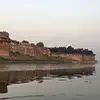
Allahabad Fort
Commissioned by Emperor Akbar in 1583, Allahabad Fort stands majestically overlooking the Sangam. Inside, visitors explore the ancient Akshayavat tree and the underground Patalpuri Temple. The fort’s imposing architecture, lush gardens, and historical depth reflect Mughal grandeur. Guided tours reveal stories of emperors, saints, and freedom activists. Special access to certain areas is restricted to the Archaeological Survey of India. It’s a place where politics, religion, and architecture intersect elegantly for curious visitors and devotees.
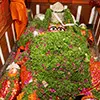
Bade Hanuman Temple
Known locally as “Lete Hanuman Ji,” this temple houses a rare, reclining 20-foot idol of Lord Hanuman. Legend says the idol emerged naturally from stones brought by devotees. During monsoon, the idol partially submerges in water—adding to its mystique. Devotees visit seeking strength, protection, and resolution of problems. The temple glows on Tuesdays and Hanuman Jayanti, drawing thousands. Despite modernization, its rustic charm and devotional depth remain unchanged. It represents local faith and provides insight into regional traditions of Hanuman worship.
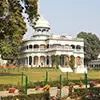
Anand Bhawan
Anand Bhawan was once the ancestral residence of the Nehru-Gandhi family. It now serves as a museum depicting India’s independence movement and family legacy. Visitors view personal artifacts of Jawaharlal Nehru and Mahatma Gandhi, period photographs, and vintage furniture. The tranquil garden and colonial architecture evoke the era of political awakening. The museum curates historical insight and emotional resonance. It connects Prayagraj’s role in India’s freedom struggle with intellectual and familial roots of national leadership. A must-visit for history enthusiasts and cultural travelers.
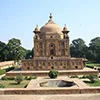
Khusro Bagh
Khusro Bagh is a Mughal-era garden complex housing the tombs of Prince Khusro, son of Emperor Jahangir, and other royal family members. Its sandstone structures, Persian-style architecture, and landscaped courtyards reveal Mughal aesthetics. The serene environment allows leisurely walks amid history. Inscriptions, arches, and domes offer architecture buffs insight into 17th-century style. The garden also provides respite from city bustle. Periodic light-and-sound shows present royal stories at night. Khusro Bagh is an underrated gem blending historical elegance and contemplative space.
Best Things to Do in Prayagraj
Experience spiritual purification, especially during sunrise or Kumbh Mela holy dips.
Witness devotional rituals with lamps, chants, and sacred music at the ghats.
Walk through Mughal architecture, Akshayavat, and hidden temples inside.
Seek blessings at the rare reclining Hanuman idol, especially on Tuesdays and festivals.
Learn about India’s freedom struggle and Nehru-Gandhi legacy within a heritage home.
How to Reach
By Train
Prayagraj Junction is the rail hub well-connected by trains.
By Air
Prayagraj Airport connects to Delhi and other metros.
By Road
Prayagraj is easily accessible by highways from Lucknow, Agra, Delhi, Varanasi and other cities.
Popular Tour Packages