Introduction & History
Bodhgaya, located in the Indian state of Bihar, is one of the most important pilgrimage destinations for Buddhists around the world. It is globally revered as the place where Prince Siddhartha Gautama attained enlightenment under the Bodhi Tree and became the Buddha, the Enlightened One. This sacred event took place over 2,500 years ago, and since then, Bodhgaya has been a spiritual nucleus for seekers and monks alike.
The centerpiece of Bodhgaya is the Mahabodhi Temple, a UNESCO World Heritage Site, which houses the sacred Bodhi Tree and the seat of enlightenment, known as the Vajrasana. Over centuries, emperors like Ashoka and followers from Sri Lanka, Myanmar, Thailand, Bhutan, Japan, and Tibet have contributed to the development and preservation of the site. The town reflects a harmonious confluence of diverse Buddhist traditions.
Apart from its religious significance, Bodhgaya is also an ideal place for meditation, introspection, and learning. The peaceful ambience, chanting monks, and spiritual energy draw people beyond religious boundaries. Various monasteries representing different countries offer visitors a glimpse into the international scope of Buddhism.
Best Time to VisitThe best time to visit Bodhgaya is October to March, when the weather is pleasant and ideal for exploring the temples and monasteries. December and January are particularly special due to Buddhist festivals, teachings, and events attended by monks and tourists from around the world.


Places to Visit in Bodhgaya
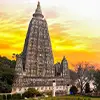
Mahabodhi Temple
The Mahabodhi Temple is the spiritual heart of Bodhgaya and one of the most significant Buddhist monuments in the world. Built at the site where Lord Buddha attained enlightenment, the temple complex includes the sacred Bodhi Tree, Vajrasana (Diamond Throne), and intricately carved towers. The serene ambiance, chanting of prayers, and the sight of monks meditating create a deeply spiritual atmosphere. Pilgrims from all over the globe visit to pay homage, meditate, and reflect. Declared a UNESCO World Heritage Site, it stands as a timeless symbol of peace, awakening, and the global impact of the Buddha’s teachings.
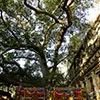
Bodhi Tree
Located within the Mahabodhi Temple complex, the Bodhi Tree is a direct descendant of the original fig tree under which Siddhartha Gautama attained enlightenment. This sacred Peepal tree is venerated by millions and symbolizes wisdom and spiritual awakening. The area surrounding the tree is marked by tranquility, where monks and devotees silently meditate or chant mantras. A railing surrounds the tree to preserve and protect it. Pilgrims often collect fallen leaves as sacred keepsakes. The Bodhi Tree remains a powerful symbol of inner peace, resilience, and the transformative journey from ignorance to enlightenment.
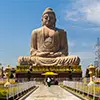
Great Buddha Statue
Standing at 80 feet tall, the Great Buddha Statue is one of the most iconic landmarks of Bodhgaya. Inaugurated in 1989, the statue depicts Lord Buddha in a meditative pose seated on a lotus. It is surrounded by smaller statues of his disciples, symbolizing his teachings and guidance. The calm expression and detailed craftsmanship reflect the serene and powerful essence of the Enlightened One. This site is not only a major tourist attraction but also a place for reflection and admiration. The landscaped garden and peaceful setting offer a perfect environment for quiet contemplation.
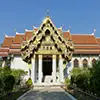
Thai Monastery
The Thai Monastery in Bodhgaya stands out for its unique Thai architectural style and golden-roofed shrine. It was established with support from the Thai government and Buddhist community to promote spiritual and cultural ties. The temple’s serene environment, carved interiors, and giant bronze Buddha statue attract both pilgrims and tourists. The lush gardens and elegant design make it a peaceful place for meditation and prayer. It also hosts Thai monks who offer teachings and chantings. The monastery showcases the global significance of Bodhgaya and the unity of Buddhist traditions from across the world.
Royal Bhutan Monastery
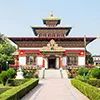
The Royal Bhutan Monastery, built by the King of Bhutan, is a beautiful and serene temple located near the Mahabodhi complex. The monastery features traditional Bhutanese architecture, intricate woodwork, and large murals depicting the life of Lord Buddha. Inside the temple, a majestic Buddha statue welcomes devotees and visitors. The atmosphere is peaceful, perfect for meditation or quiet reflection. The monastery also offers guest accommodations for monks and visitors looking to immerse themselves in Buddhist practice. It stands as a testament to the close spiritual connections between Bodhgaya and Himalayan Buddhist traditions.
Best Things to Do in Ayodhya
Join a guided or silent meditation session in one of the many monasteries or retreat centers.
Explore the Mahabodhi Temple, international monasteries (Thai, Japanese, Bhutanese, Tibetan), and local shrines.
Attend teachings and discourses by renowned Buddhist monks, especially during the winter months.
Participate or listen to peaceful chanting sessions at Mahabodhi Temple at sunset.
Interact with monks, international pilgrims, and local devotees to learn about Buddhist culture and lifestyle.
Capture the beautiful architecture, peaceful gardens, and spiritual moments.
How to Reach
By Train
Gaya Junction Railway Station (GAYA), located about 15 km from Bodhgaya, is a major rail hub on the Grand Chord line. Regular trains connect Gaya with Delhi, Kolkata, Varanasi, and other important cities.
By Air
Gaya International Airport (GAY), about 12 km from Bodhgaya. It is connected to major Indian cities like Delhi, Kolkata, and Varanasi, and also has limited international flights from Thailand, Sri Lanka, and Myanmar.
By Road
Bodhgaya is well-connected by road to Gaya, Patna, Rajgir, Nalanda, and Varanasi. Bihar State Tourism and private operators run regular buses and taxis. National and state highways ensure smooth road access.
Popular Tour Packages