Introduction & History
Ayodhya, located on the banks of the Saryu River in Uttar Pradesh, is one of the seven sacred cities (Sapta Puri) in Hinduism. It is globally revered as the birthplace of Lord Rama, the seventh incarnation of Lord Vishnu, and the central figure of the epic Ramayana.
Ancient scriptures describe Ayodhya as a magnificent city ruled by the Ikshvaku dynasty. It was a thriving spiritual and cultural center in ancient India. Over time, it became a symbol of devotion, dharma, and righteousness. The site of Ram Janmabhoomi, where the Ram Mandir is now being constructed, is the heart of religious tourism in the city.
Besides Hinduism, Ayodhya also holds significance in Jainism and Buddhism, with many historic temples and stupas scattered across the city. After the Pran Pratishtha of Ram Lalla in 2024, Ayodhya has seen a rise in global pilgrimage tourism.
Best Time to VisitVisit between October and March for pleasant weather. Major festivals include Ram Navami, Diwali, and Makar Sankranti. Deepotsav during Diwali lights up the city with over a million lamps.


Places to Visit in Varanasi
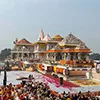
Ram Janmabhoomi Temple
Ram Janmabhoomi Temple marks the sacred birthplace of Lord Rama, one of the most revered deities in Hinduism. This newly constructed grand temple stands as a symbol of devotion and cultural heritage. Built with intricate carvings and traditional architectural grandeur, it reflects centuries of faith and resilience. The sanctum houses a beautiful idol of Shri Ram Lalla. Devotees from across the world come here to offer prayers and witness the spiritual magnificence of the site. The temple complex also features exhibition halls and prayer spaces, making it a deeply enriching spiritual experience for pilgrims and cultural enthusiasts alike.
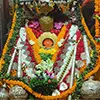
Hanuman Garhi
Perched atop a small hill, Hanuman Garhi is a revered temple dedicated to Lord Hanuman, the divine protector of Ayodhya. Devotees must climb around 70 steps to reach the sanctum, where a large idol of Hanuman rests in a cave-like shrine. It is believed that Hanuman lived here and guarded Ram Janmabhoomi. The temple is always bustling with spiritual energy, especially during festivals like Ram Navami and Hanuman Jayanti. The hilltop offers panoramic views of the town, adding to its charm. Hanuman Garhi is not only a place of worship but also a spiritual gateway into Ayodhya’s divine aura.
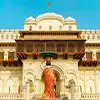
Kanak Bhawan
Kanak Bhawan is one of the most beautiful and revered temples in Ayodhya, dedicated to Lord Rama and Sita. Legend says this temple was gifted to Sita by Queen Kaikeyi after her marriage to Lord Rama. The temple is known for its splendid architecture and the richly adorned idols of Rama and Sita wearing golden crowns and ornaments. The ambiance is calm and devotional, filled with the sounds of bhajans and temple bells. Devotees often visit to seek blessings for marital bliss and prosperity. Its close proximity to Hanuman Garhi makes it an essential stop on the temple circuit.
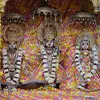
Dashrath Mahal
Dashrath Mahal, also known as Bada Asthan, is believed to be the original residence of King Dashrath, the father of Lord Rama. Situated in the heart of Ayodhya, this mythological palace offers a deep connection to the Ramayana era. The site features traditional architecture with beautifully decorated courtyards and shrines dedicated to Lord Rama and his brothers. It is especially vibrant during religious festivals, with chants, aartis, and rituals conducted by temple priests. Though more modest compared to other royal palaces, Dashrath Mahal holds immense spiritual and emotional value for devotees and offers a glimpse into Ayodhya’s divine past.

Ram Ki Paidi
Ram Ki Paidi is a series of serene ghats located along the sacred Saryu River in Ayodhya. These ghats are popular among devotees for ritual bathing and performing religious ceremonies. The highlight is the evening aarti, where priests offer prayers with oil lamps, and hundreds of diyas float on the river, creating a stunning visual spectacle. The area is beautifully maintained and often illuminated during festivals, attracting both tourists and pilgrims. Ram Ki Paidi is not just a religious site but also a peaceful retreat for visitors seeking spiritual calm and the mesmerizing beauty of the riverfront.
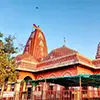
Nageshwarnath Temple
The Nageshwarnath Temple is an ancient shrine dedicated to Lord Shiva and holds a special place in Ayodhya’s spiritual and historical landscape. It is believed to have been established by Kush, the son of Lord Rama, and is one of the oldest temples in the city. The temple features classic Hindu architecture with beautifully carved shikharas and a sacred Shiva lingam in the sanctum. It becomes especially vibrant during Maha Shivaratri when thousands of devotees gather here for darshan. The temple stands as a symbol of continuity in Ayodhya’s long spiritual history and is a peaceful place for worship and reflection.
Best Things to Do in Ayodhya
Explore the sacred birthplace of Lord Rama at the grand Shri Ram Janmabhoomi Temple, the spiritual heart of Ayodhya. This historic site is undergoing magnificent development and draws millions of devotees and visitors each year. The temple architecture, religious ambiance, and spiritual significance make it a must-visit. Early mornings and evenings are especially peaceful, with prayers and chants creating a deeply divine experience. The temple complex also includes shrines, sculptures, and informative displays. Photography is limited in some areas, so check local rules. It’s a truly spiritual experience for Hindus and those interested in India's ancient mythology and culture.
Hanuman Garhi is one of the most revered temples in Ayodhya, dedicated to Lord Hanuman. Perched atop a hill, it requires climbing a flight of about 70 steps. Legend says Lord Hanuman guarded Ram Janmabhoomi from here. The temple features a beautiful idol of Hanuman seated in a cave-like sanctum. Devotees throng here during festivals like Ram Navami and Hanuman Jayanti. From the top, you can also enjoy panoramic views of the city. The temple’s spiritual aura, combined with vibrant rituals and local devotion, make it an essential stop on your Ayodhya pilgrimage.
Ram Ki Paidi is a series of ghats on the banks of River Saryu and offers a serene atmosphere for pilgrims and visitors. The evening aarti (prayer ceremony) is the highlight, where lamps are lit and hymns are sung, creating a magical reflection in the water. Devotees float diyas (oil lamps) in the river, making it a visual delight. The ghats are also ideal for a quiet walk or morning meditation. Clean and well-maintained, this spiritual riverfront represents the deep faith of Ayodhya's residents and is a peaceful yet powerful place to connect with divine energy.
Kanak Bhawan is a splendid temple dedicated to Lord Rama and Goddess Sita, gifted by Queen Kaikeyi to Sita after her marriage. The temple is known for its intricately decorated idols and beautiful interior adorned with gold-plated crowns and ornaments. It’s a popular place for newlyweds and devotees seeking blessings for marital harmony. The peaceful ambiance, rhythmic chants, and temple music make it a joyful and spiritually enriching stop. The architecture and paintings offer insights into Ramayana-era aesthetics. Located near Hanuman Garhi, Kanak Bhawan is a must-visit for spiritual travelers and history lovers alike.
Treta Ke Thakur is believed to be the site where Lord Rama performed the Ashwamedha Yajna. It houses ancient black stone idols of Lord Rama, Sita, Lakshmana, Hanuman, Bharat, and Shatrughna. These idols are said to be installed by King Vikramaditya. Though the temple opens only on specific occasions like Ekadashi, it is a significant pilgrimage site. The historical and mythological relevance makes it a fascinating destination for those tracing Lord Rama's life journey. Even if closed, the surroundings are peaceful and worth visiting. It represents Ayodhya’s deep spiritual roots and ancient traditions.
Ayodhya’s bustling markets offer a chance to explore traditional religious items, sweets, souvenirs, and handicrafts. You’ll find beautifully carved wooden idols, brass lamps, and locally made rudraksha beads. Don’t miss tasting the famous ‘pedas’ – a traditional sweet offered to deities. These markets come alive during festivals, especially Ram Navami, when they are decorated with lights and music. Walking through the lanes gives a glimpse into the local culture, devotion, and daily life. It’s also a great way to support local artisans and take home meaningful mementos from this holy city.
How to Reach
By Train
Ayodhya Dham Junction (AY) and Faizabad Junction (FD) are well-connected by trains.
By Air
Maharishi Valmiki International Airport, Ayodhya (AYJ) connects to Delhi and other metros.
By Road
Ayodhya is easily accessible by highways from Lucknow, Agra, Delhi, Varanasi and other cities.
By Bus
Accessible by NH-27; frequent buses from Lucknow, Varanasi, Prayagraj, and Gorakhpur.
Popular Tour Packages